
Keep sites covered, clients calm, and margins protected with a clear operating rhythm across your accounts—so you can spot risk early, reduce rework, and spend less time scrambling to prove what’s happening.
“Once we tighten coverage visibility across sites, we can reduce the daily scramble and stop getting blindsided by the same recurring issues.”

You own results across dozens or hundreds of sites, but the work happens in a hundred different places with a hundred different variables. A client escalation lands before you’ve even had coffee. Two call-offs hit the same morning. A supervisor is stretched too thin to keep inspections consistent. An account quietly drifts until the customer says, “We need to talk,” and suddenly you’re in rescue mode while trying to keep the rest of the region stable. On top of it all, you’re expected to explain performance upward with clean numbers—even when the reality on the ground is messy.
Most problems don’t start as big failures. They start as small misses that compound: a site gets short-staffed for a week, a manager covers it with overtime, extra tasks get added “just this once,” and before long the account is underwater. Margin erodes through unplanned labor and unbillable extras. Service consistency slips because turnover resets training and the standard. Then rebid season shows up, pricing gets squeezed, and you’re trying to defend increases while the operation is still recovering.

Every week I’m making tradeoffs: keep the client happy, protect margin, and cover the work—usually all at the same time.
Reliable coverage, clear customer and site coordination, and better control of the equipment and supplies that keep jobs from stalling. You get cleaner visibility into what’s happening across accounts, plus a more repeatable cadence that reduces surprises and makes corrective action faster.

Reduce the daily scramble by making schedules and assignments clearer and easier to manage across locations. Verify that teams are arriving where they’re expected, so you can catch gaps early and reduce the call-off domino effect that drives overtime, missed service, and escalations.
Scope creep doesn’t happen all at once—it happens through small exceptions that accumulate. Keep expectations clearer at each site and reduce the quiet drift that turns stable accounts into low-margin accounts. When you can see where labor is expanding and why, you can intervene earlier instead of discovering it at month-end.
When repeat issues show up across the same locations, you need to know quickly. Identify patterns that signal deterioration—coverage gaps, repeat complaints, inconsistent follow-through—so you can run a focused rescue plan before the account becomes a termination risk.
Regional success depends on supervisors and ops managers, but their span of control is often too wide. Create a more consistent operating rhythm across sites so field leaders spend less time reacting and more time coaching, correcting, and reinforcing standards.
Manage accounts, contacts, and locations with less friction so the relationship isn’t owned by one frustrated site contact. Keep communication organized across stakeholders and sites, making it easier to align expectations and respond with clarity when something changes.
A crew can’t deliver the standard if they arrive without what they need. Track where critical equipment and supplies are, what’s running low, and what’s tied up at another site—so service doesn’t degrade because of avoidable operational gaps.
Leadership wants clean KPIs; you need something you can trust. When coverage, site activity, and accountability are more consistent, reporting becomes less about arguing whose numbers are right and more about making decisions that improve performance.

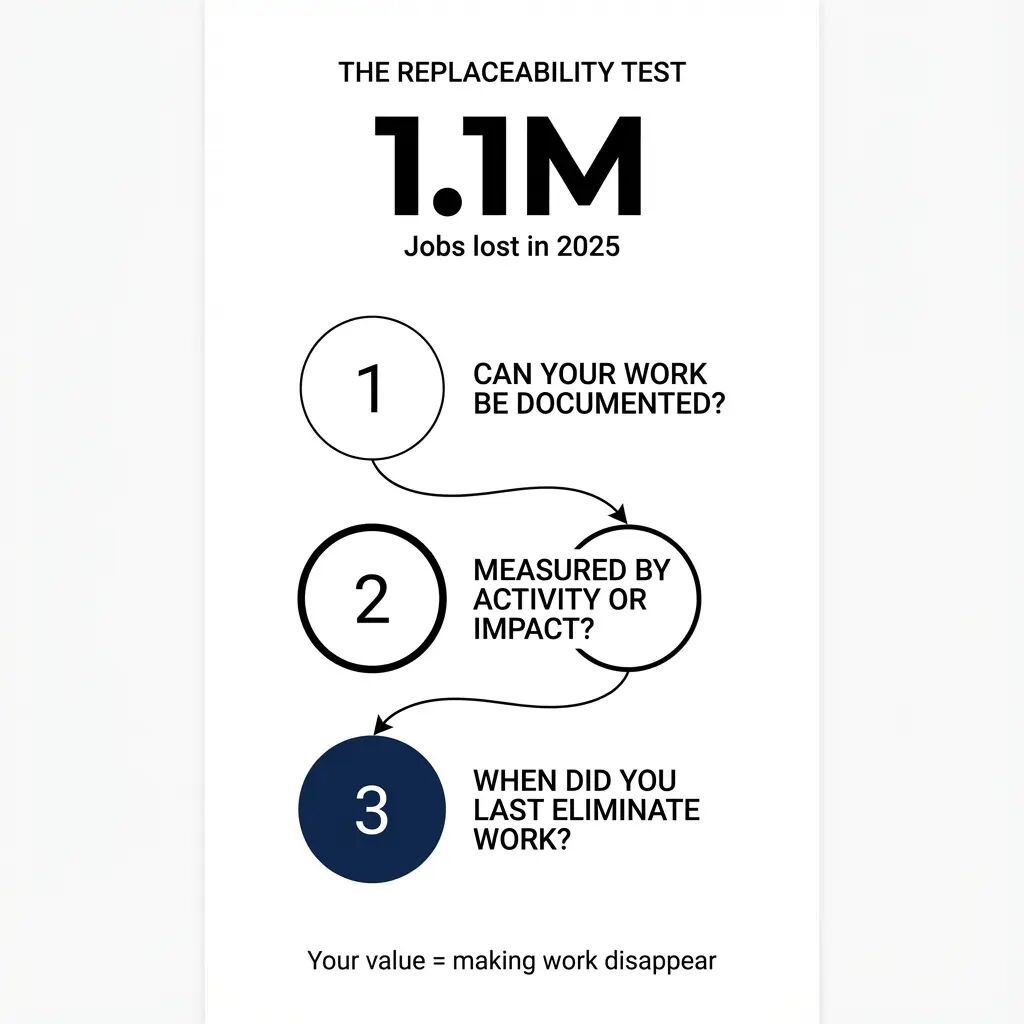
More than 1.1 million Americans lost their jobs in 2025. Tech workers got hit especially..


Everyone’s talking about AI displacing workers. The MIT Iceberg Index estimates AI could automate tasks..

U.S. employers have announced over 1.17 million job cuts in 2025. When companies need to..
We use cookies to improve your experience on our site. By using our site, you consent to cookies.
Manage your cookie preferences below:
Essential cookies enable basic functions and are necessary for the proper function of the website.
These cookies are needed for adding comments on this website.
Google reCAPTCHA helps protect websites from spam and abuse by verifying user interactions through challenges.
Statistics cookies collect information anonymously. This information helps us understand how visitors use our website.
Google Analytics is a powerful tool that tracks and analyzes website traffic for informed marketing decisions.
Service URL: policies.google.com (opens in a new window)
You can find more information in our Cookie Policy and .