
Keep every customer, contact, and site organized in one place—so teams show up prepared, communication stays consistent, and you don’t lose relationships when people change roles.
“We stopped losing time chasing contacts and site details. Our teams show up more prepared, and customer communication is much more consistent.”

Service businesses don’t lose accounts because they forgot how to do the work—they lose accounts because the relationship and site context gets messy. Contacts are scattered across phones, inboxes, and spreadsheets. The wrong person gets notified during an issue, or no one gets notified at all. A supervisor leaves and suddenly the “way we run this site” disappears with them. Crews arrive without the right entry instructions, badges, or expectations, and what should be a normal visit turns into delays, rework, and frustration.
Multi-site customers make this harder. One customer can have dozens of locations, different site contacts, regional stakeholders, and billing requirements that don’t match. A simple question—“Who approves after-hours work?” or “Who needs the completion update?”—can take longer to answer than the work itself. Then renewals get tense because problems are remembered, wins aren’t documented, and account risk isn’t visible until the client is already shopping alternatives.

We do good work, but we waste time chasing basic information-and it costs us trust.
Teams know who to call, where to go, how to get in, and what matters at that site. Communication stays consistent across the business, and account knowledge doesn’t disappear during turnover.

Keep the right contacts connected to the right sites, with clear roles for day-to-day operations, billing, after-hours, and escalations. When an issue happens, your team doesn’t guess who to call or who to update—they reach the right person immediately and reduce delays that trigger complaints.
Organize national and regional customers in a way that reflects reality: one relationship across many locations, stakeholders, and expectations. When sites roll up cleanly, your team can coordinate consistently, avoid mixed messages, and keep visibility across the full account—not just one location at a time.
Site-specific details shouldn’t live in one person’s head. Keep the access rules, site preferences, constraints, and history tied to the location so new supervisors and crews can step in without repeating old mistakes. Continuity protects quality and keeps the client from feeling like they have to “retrain” you.
Missed visits and delays often come down to basic logistics: wrong entrance, locked doors, missing badges, unclear parking, or the wrong contact for entry. Keep arrival instructions and site constraints clear so crews show up prepared and work starts on time—especially for after-hours or high-security locations.
When updates live in texts and calls, customers end up saying “no one told us,” even when someone did. Keep communication tied to the account and site so your team can share consistent status, avoid conflicting messages, and respond quickly when a customer asks for an update.
Accounts rarely become at-risk overnight. Small issues build up across sites until the relationship feels unstable. Keep patterns visible—repeat complaints, frequent escalations, ongoing friction—so you can act earlier, stabilize service, and show the client you’re on top of it before renewal conversations get tense.
Cash slows down when billing details are missing, the wrong person gets the invoice, or approvals and requirements aren’t clear. Keep billing contacts and site-level requirements organized so invoices are cleaner, rejections drop, and disputes are easier to resolve because authorization history is clear.
The easiest expansion comes from solving real needs already happening at the site. When requests and patterns are visible across locations, it’s easier to identify where additional services make sense and route the conversation to the right approver—without relying on memory or scattered notes.
Trusted by teams running multi-site service operations

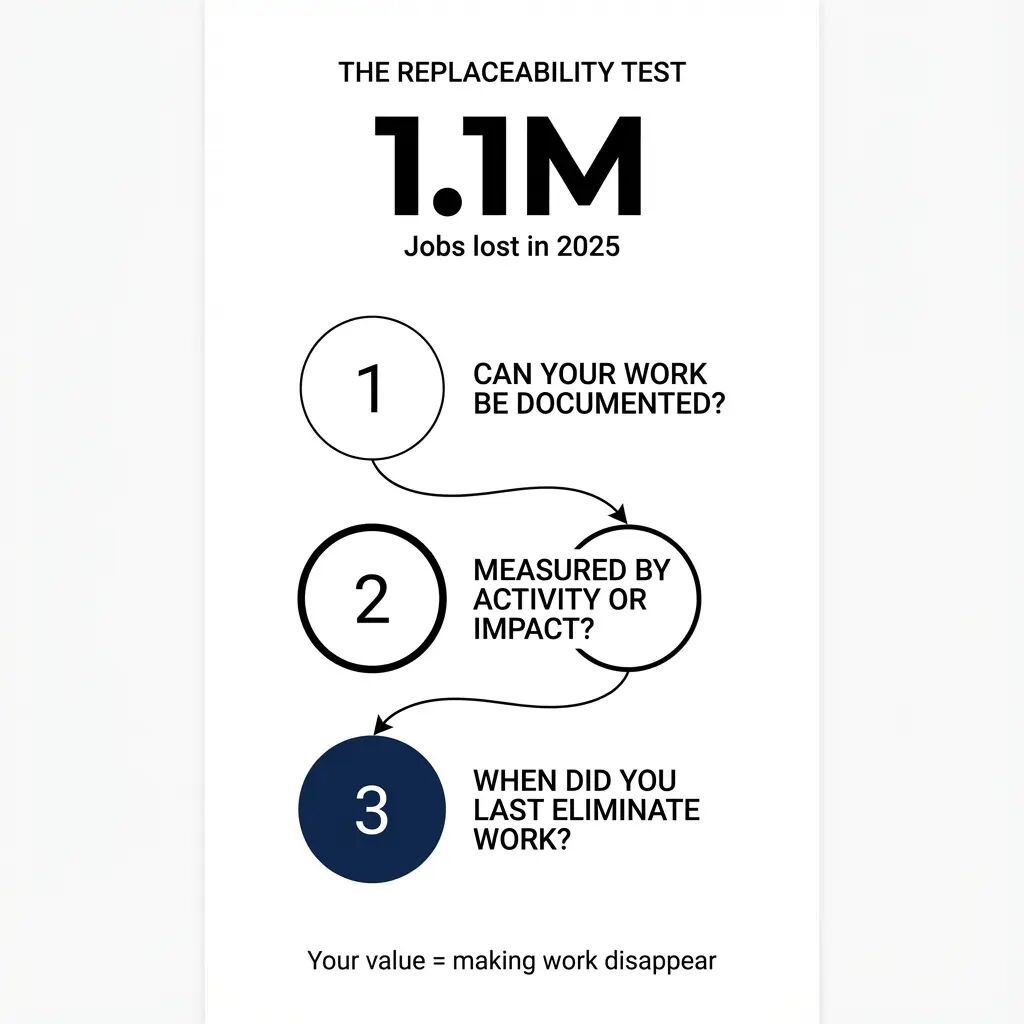
More than 1.1 million Americans lost their jobs in 2025. Tech workers got hit especially..


Everyone’s talking about AI displacing workers. The MIT Iceberg Index estimates AI could automate tasks..

U.S. employers have announced over 1.17 million job cuts in 2025. When companies need to..
We use cookies to improve your experience on our site. By using our site, you consent to cookies.
Manage your cookie preferences below:
Essential cookies enable basic functions and are necessary for the proper function of the website.
These cookies are needed for adding comments on this website.
Google reCAPTCHA helps protect websites from spam and abuse by verifying user interactions through challenges.
Statistics cookies collect information anonymously. This information helps us understand how visitors use our website.
Google Analytics is a powerful tool that tracks and analyzes website traffic for informed marketing decisions.
Service URL: policies.google.com (opens in a new window)
You can find more information in our Cookie Policy and .