
Get one consistent way to scope work, manage vendors, and track performance across every site that rolls up to you. You can reduce fire drills, defend decisions, and keep standards steady without becoming the help desk.

You’re responsible for outcomes across a region, but you don’t control every input. A site team may be short-staffed. A vendor may look great on paper and show up with a different crew every week and never get through their checklist. A building you inherited has old equipment and a backlog you didn’t create. Meanwhile, everyone expects you to have answers: Why costs are up, why one market is slipping on response times, why PM compliance dropped, or why a repeat issue is still happening. You end up switching modes all day: operator, coach, analyst, translator, and reporter.
On Monday you’re fixing complaints. By Wednesday you’re explaining a budget variance without throwing anyone under the bus. Friday you’re trying to roll out a standard playbook, only to realize access rules, vendor availability, and local habits make it harder than it should be. You know what good looks like, but it’s difficult to keep every site aligned when the work is happening in dozens of places at once.

I’m accountable for performance, but half my day is spent chasing the story – what happened, who did what, and what we’re doing next.
You get a single view of work, vendors, and performance across your region (plus the structure to coach site teams, enforce standards, and communicate upward with confidence).

Establish repeatable scopes and workflows that work across different building types, ages, and market realities. Standardize the “how” while allowing local teams to choose the right “who,” so your portfolio scales without fighting every site’s constraints.
Create clearer expectations and accountability so vendor performance doesn’t depend on which subcontractor shows up. Compare performance across sites and markets, spot underperformance early, and take action before issues become recurring escalations.
When everyone wants their site first, you need a defensible way to decide. See demand, risk, and recurring issues across the region so you can allocate limited dollars, labor, and attention where it matters most—then explain those decisions clearly to sites and leadership.
Reduce the chaos caused by inconsistent categories, incomplete ticket closeout, and scattered documentation. With more consistent scopes and clearer activity tracking, you spend less time cleaning up data and more time managing the work.
When something breaks, you’re the point person. Keep leadership informed with calm, credible updates: who is impacted, what the workaround is, what the ETA looks like, and what’s being done to prevent repeat failures—without digging through threads and chasing status.
Get visibility that supports coaching: which sites are falling behind, where standards are slipping, and what patterns keep repeating. Hold teams accountable with facts, not anecdotes, and focus your time on the sites that need the most support.
Track PM execution without treating it like a checkbox exercise. Identify repeat offenders, prioritize the right preventive work, and drive permanent fixes by connecting recurring failures to assets, locations, and vendors.
When closeouts are messy, operations inherits the cleanup. Ensure every handoff includes complete documentation, warranties, training, and a clear “what changed” record—so your team can maintain what was built, not reconstruct what happened.
You can’t be everywhere. Run the region with a clear view of what’s active, what’s stuck, and what needs attention—so site visits are targeted and time is spent where it changes outcomes.

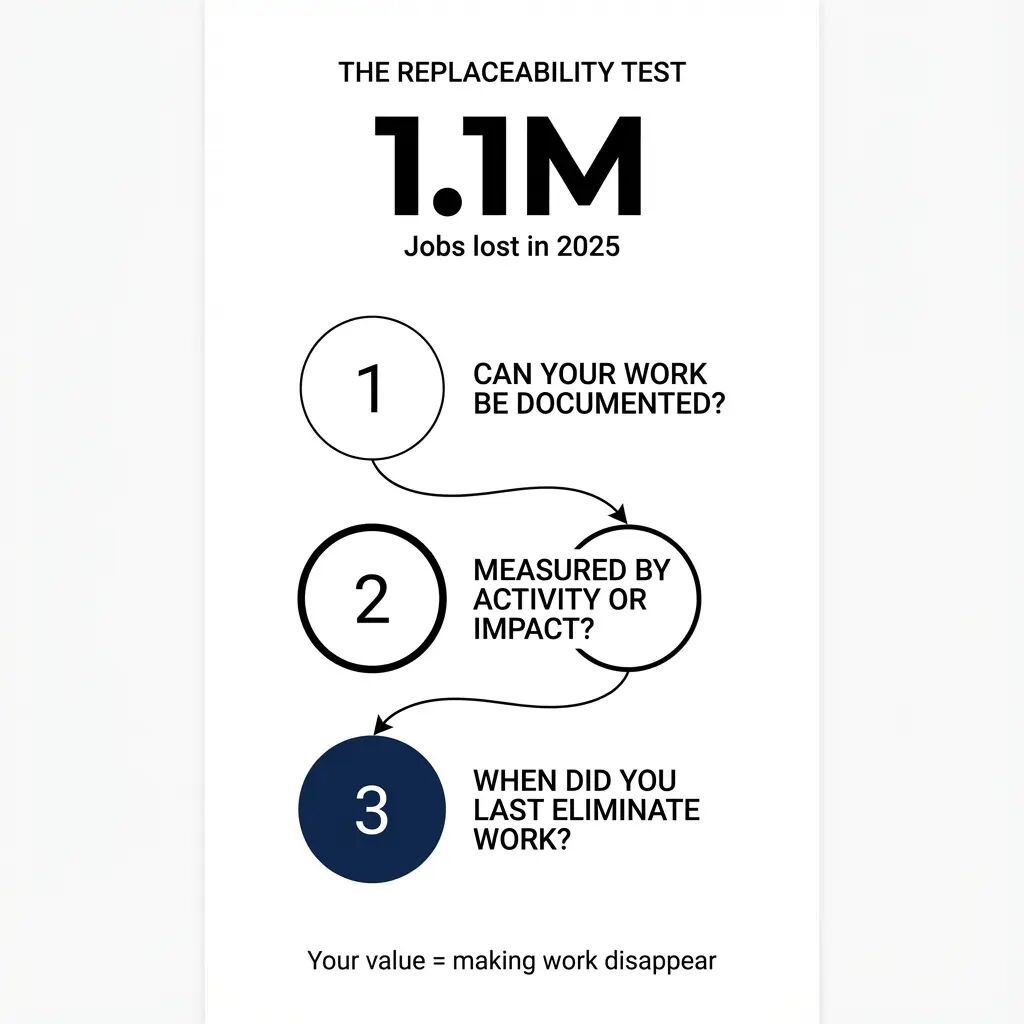
More than 1.1 million Americans lost their jobs in 2025. Tech workers got hit especially..


Everyone’s talking about AI displacing workers. The MIT Iceberg Index estimates AI could automate tasks..

U.S. employers have announced over 1.17 million job cuts in 2025. When companies need to..
We use cookies to improve your experience on our site. By using our site, you consent to cookies.
Manage your cookie preferences below:
Essential cookies enable basic functions and are necessary for the proper function of the website.
These cookies are needed for adding comments on this website.
Google reCAPTCHA helps protect websites from spam and abuse by verifying user interactions through challenges.
Statistics cookies collect information anonymously. This information helps us understand how visitors use our website.
Google Analytics is a powerful tool that tracks and analyzes website traffic for informed marketing decisions.
Service URL: policies.google.com (opens in a new window)
You can find more information in our Cookie Policy and .