
Reduce the daily scramble with clearer coverage, cleaner follow-through, and fewer surprises—so you spend less time chasing people and paperwork and more time running the site.
“Once we tightened coverage visibility and follow-through, we cut down on last-minute chaos and stopped getting blindsided by the same issues.”

Your day is a moving target. A call-off hits right before shift. A client asks for a “quick favor” that somehow becomes the new normal. Supplies run low at the worst time. Someone says the job was done, but the client disagrees. Then you’re expected to coach the team, document what happened, and keep everyone informed—while still doing the work yourself. You’re the person who makes the contract real, which means you absorb the problems you didn’t create and still have to deliver the outcome.
The hardest part isn’t the work—it’s keeping everything coordinated. Coverage changes constantly, so quality drifts. Communication comes from every direction, often with incomplete information. Small issues become big complaints because access is delayed, equipment is missing, or expectations aren’t clear. And the admin load never stops: time questions, schedule changes, site notes, and “prove it happened” documentation—usually while you’re already behind.

I’m not trying to be difficult or unresponsive to some people. I’m trying to keep the site staffed, keep quality up, and keep the client from escalating-without staying here all night.
Who’s supposed to be where, what “done” means at each site, how updates get captured, and how supplies and equipment stay available. When those things are clear, you stop spending the day reacting and start running a more predictable shift.

When schedules and assignments are clear, it’s easier to spot gaps early and fill them without panic. You spend less time making last-minute calls and more time keeping the site running. When coverage is verified, you’re not guessing who showed up—you know, and you can act fast when something goes wrong.
High turnover shouldn’t mean a new standard every week. Create clearer expectations at the site level so “done” is consistent, inspections are simpler, and coaching is more straightforward. When you can reinforce the same standard every shift, you prevent drift and reduce repeat complaints.
Frontline leaders live in the gray area where small asks quietly become permanent. Keep expectations clearer so you can respond quickly without accidentally committing to work that wasn’t planned. When the work is defined better, you can protect your team, reduce friction, and avoid the “we thought it was included” arguments.
Instead of juggling texts, calls, and scattered messages, keep the important updates tied to the right site and the right people. That makes it easier to answer questions quickly, share the current status, and keep clients informed without overpromising.
Running out of essentials or dealing with broken equipment turns a normal shift into a crisis. Track what’s on hand and what’s tied to each site so you can avoid last-minute runs, wasted time, and service failures caused by preventable shortages.
You shouldn’t have to choose between doing the work and proving the work got done. Capture the right details as you go so issues, follow-up, and time-related questions don’t turn into end-of-week cleanups. Cleaner documentation also protects you when a client challenges what happened.
When the basics are organized, you’re not forced into “hero mode” every day. That means fewer late nights, fewer escalations, and a more stable environment for the crew—even when staffing is tight and the site is demanding.
Trusted by supervisors managing high-volume, high-expectation sites

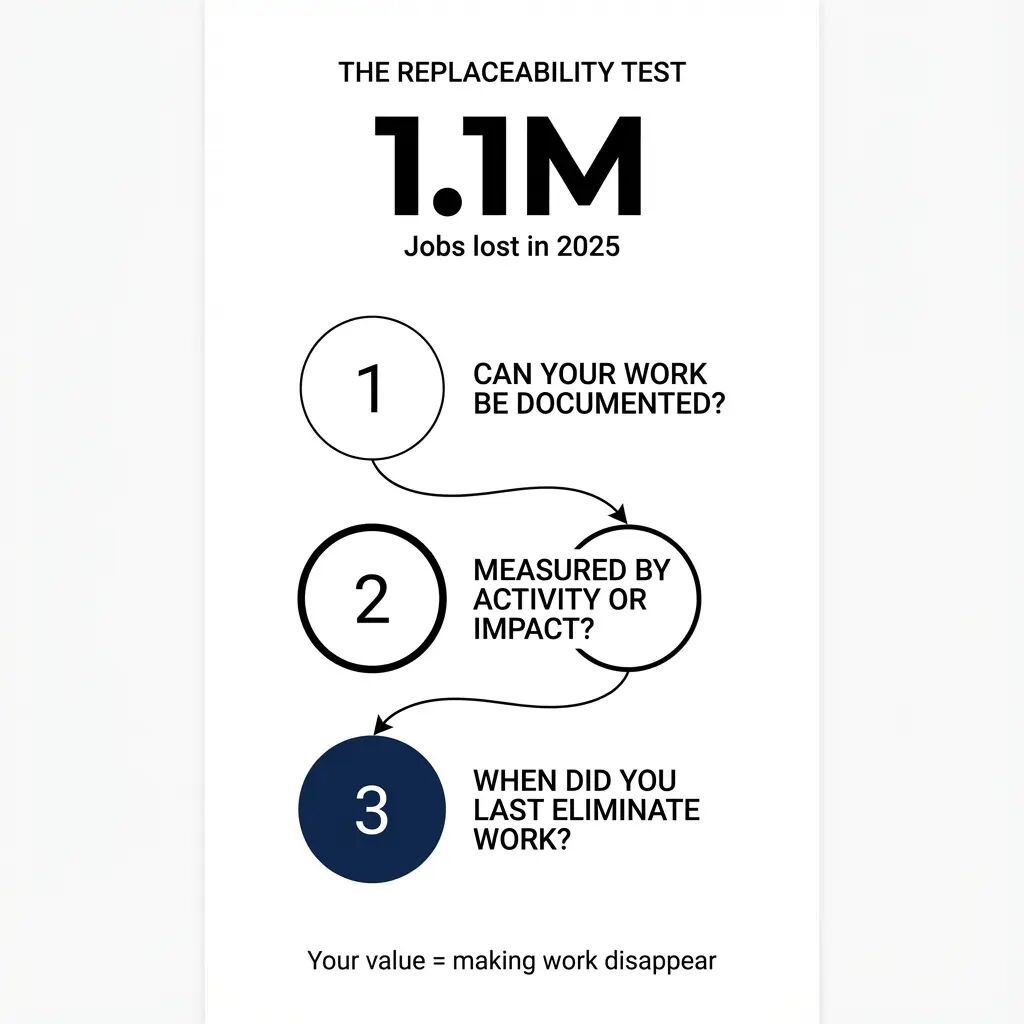
More than 1.1 million Americans lost their jobs in 2025. Tech workers got hit especially..


Everyone’s talking about AI displacing workers. The MIT Iceberg Index estimates AI could automate tasks..

U.S. employers have announced over 1.17 million job cuts in 2025. When companies need to..
We use cookies to improve your experience on our site. By using our site, you consent to cookies.
Manage your cookie preferences below:
Essential cookies enable basic functions and are necessary for the proper function of the website.
These cookies are needed for adding comments on this website.
Google reCAPTCHA helps protect websites from spam and abuse by verifying user interactions through challenges.
Statistics cookies collect information anonymously. This information helps us understand how visitors use our website.
Google Analytics is a powerful tool that tracks and analyzes website traffic for informed marketing decisions.
Service URL: policies.google.com (opens in a new window)
You can find more information in our Cookie Policy and .