
Reduce repeat trips, keep technicians productive, and speed up approvals with clearer site context and verified execution—so you deliver comfort faster and defend your work when billing and disputes hit.
“We reduced repeat trips caused by access issues and missing site context, and our billing disputes dropped because the record of work was clearer.”
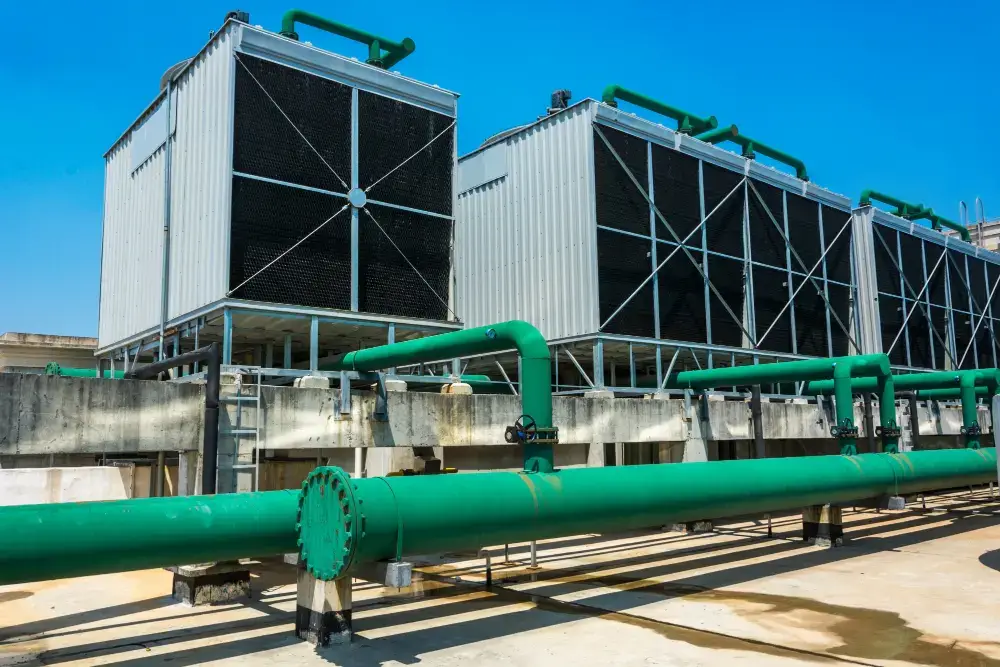
Commercial HVAC customers expect fast comfort fixes, especially when weather spikes demand. At the same time, technician shortages and uneven skill distribution make every dispatch decision matter. The difference between a profitable call and a margin-wrecker often comes down to basics: the right technician, the right site context, and the right parts on the first trip. When any of those are missing, “quick fix” turns into repeat visits, wasted travel, delayed approvals, and frustrated customers who feel like nothing is moving.
Most of the pain happens in the gaps. Equipment details aren’t clear, so the wrong part gets ordered. A mechanical room is locked, the roof access isn’t coordinated, or an escort is required—so the tech loses the work window. Quote approvals and POs lag while the customer still wants progress. Notes and documentation get rushed or delayed, and then invoices get questioned—time, travel, after-hours rates, materials—slowing cash and increasing churn risk.

We’re not trying to run faster by working harder. We’re trying to run smarter so the first trip counts and the paperwork doesn’t slow payment.
You reduce wasted trips, improve responsiveness during peak demand, and maintain a cleaner record that supports approvals, renewals, and cash flow.

Repeat trips kill margin and frustrate customers. Keep site information and expectations organized so technicians arrive with the right context—where to go, who to contact, how to get access, and what constraints apply. Better preparation reduces dead time and helps the first visit produce real progress.
Heat waves and cold snaps create surge conditions where priorities collide. Keep sites and customers organized so dispatch decisions are clearer, and teams can move faster without losing control of who is being served and when. When scheduling is more structured, productivity improves and fewer calls slip into escalation territory.
Many HVAC delays aren’t technical—they’re logistical. Locked rooms, rooftop rules, permits, escorts, and changing site contacts create reschedules that shouldn’t happen. Maintain clear site rules and contacts so crews don’t lose hours to preventable access issues.
Urgent work often stalls while approvals catch up. Keep the work context organized so customers understand what’s needed, what’s changing, and what the next step requires. Cleaner communication reduces back-and-forth, shortens approval cycles, and lowers the unbillable gap between diagnosis and repair.
HVAC billing disputes usually come from missing context: what happened, why it took time, what materials were used, and what was approved. Keep a clearer record of work and verification so invoices are easier to defend, approvals move faster, and payment delays become less common.
Service agreements and renewals are easier when customers can see consistency and accountability. Maintain a more reliable view of performance by site so you can address repeat issues earlier, reduce escalations, and show the customer that your process is stable—even when demand spikes.
HVAC customers feel the difference between teams. Create a more repeatable way to run sites so the customer experience doesn’t depend on which technician got dispatched. Consistency reduces callbacks, protects your reputation, and makes growth less chaotic.
Trusted by teams delivering HVAC service across multi-site portfolios
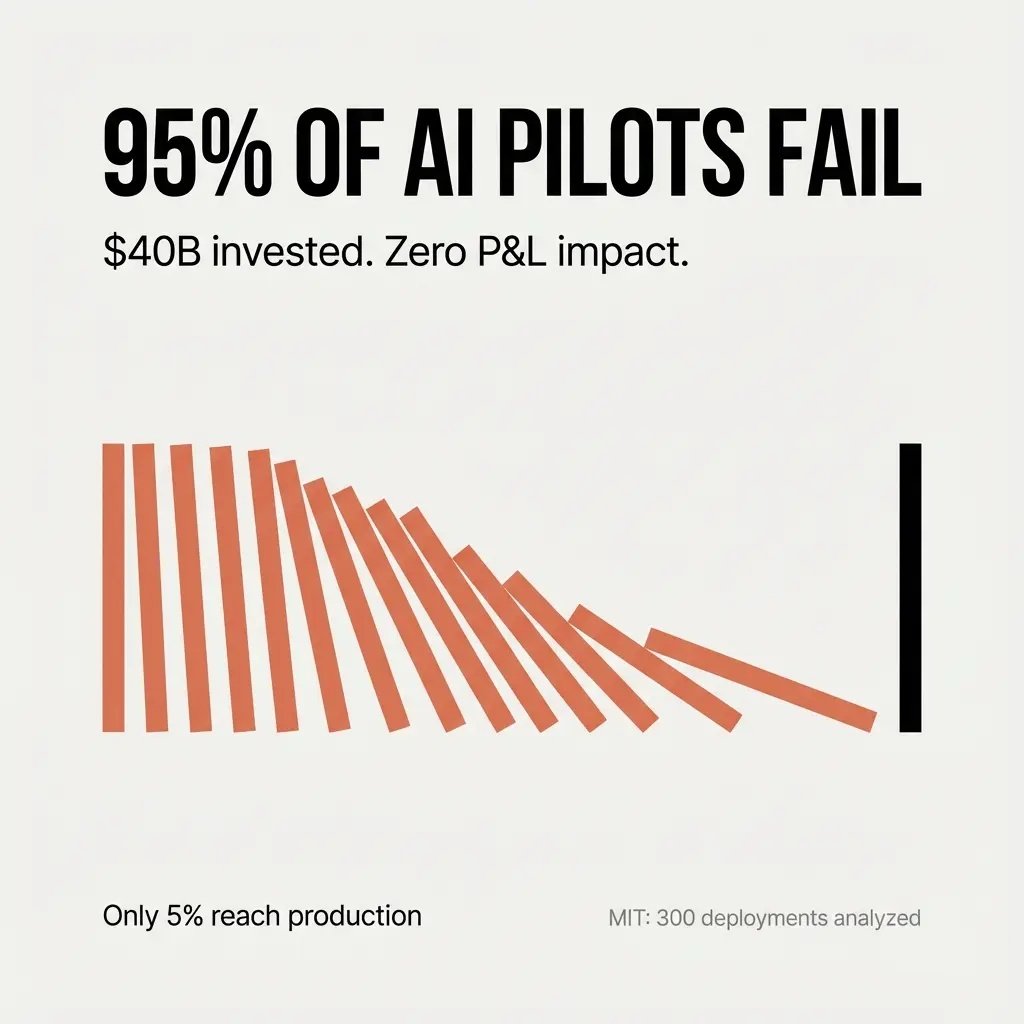

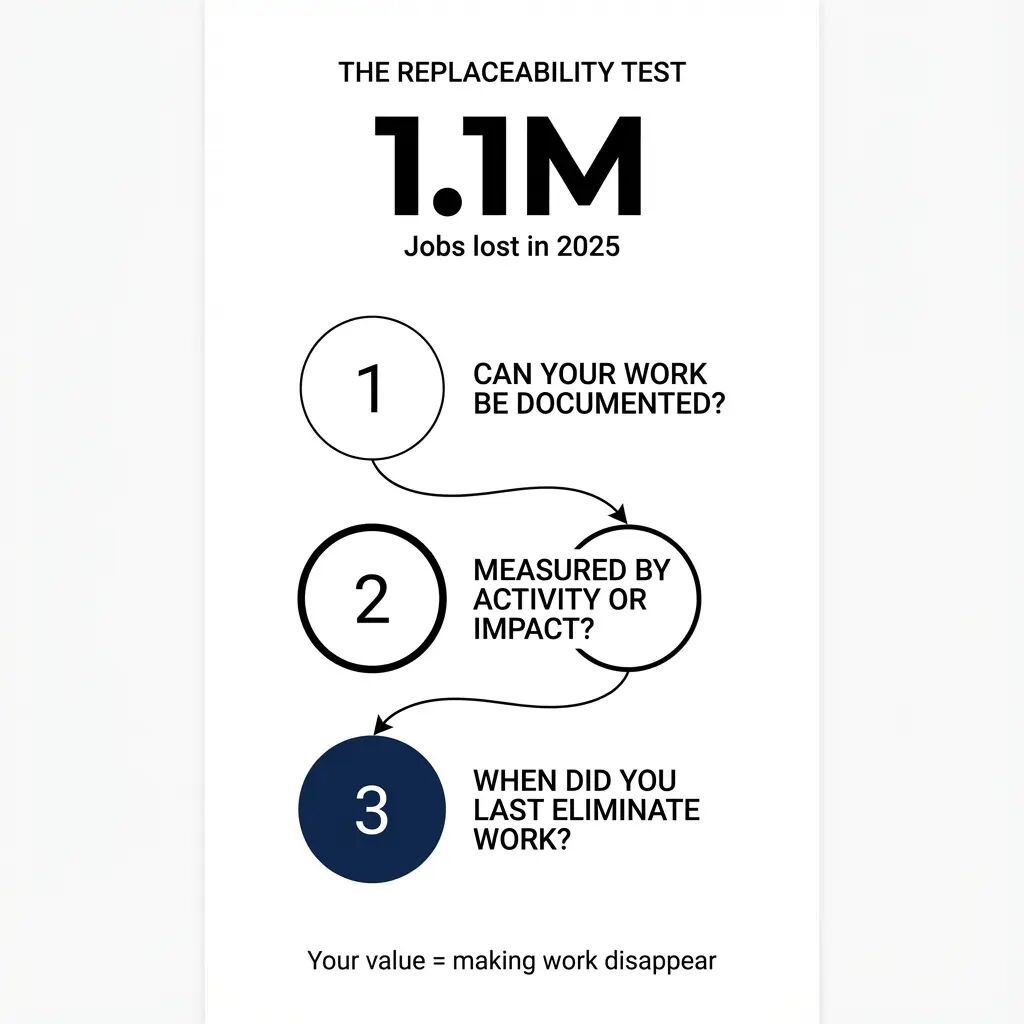
More than 1.1 million Americans lost their jobs in 2025. Tech workers got hit especially..


Everyone’s talking about AI displacing workers. The MIT Iceberg Index estimates AI could automate tasks..

U.S. employers have announced over 1.17 million job cuts in 2025. When companies need to..
We use cookies to improve your experience on our site. By using our site, you consent to cookies.
Manage your cookie preferences below:
Essential cookies enable basic functions and are necessary for the proper function of the website.
These cookies are needed for adding comments on this website.
Google reCAPTCHA helps protect websites from spam and abuse by verifying user interactions through challenges.
Statistics cookies collect information anonymously. This information helps us understand how visitors use our website.
Google Analytics is a powerful tool that tracks and analyzes website traffic for informed marketing decisions.
Service URL: policies.google.com (opens in a new window)
You can find more information in our Cookie Policy and .