
Make capital planning predictable and lifecycle decisions defendable—so you reduce downtime, avoid surprise replacements, and spend money based on risk and need instead of emergencies and anecdotes.

Asset problems don’t usually show up as “asset management.” They show up as a surprise failure, a budget shock, a tense conversation with finance, or a recurring issue that never gets fixed for good. A major piece of equipment goes down and suddenly you’re in emergency mode—scrambling for vendors, approvals, and parts—while leadership asks why this wasn’t planned. At the same time, other sites are asking for replacements too, and it becomes hard to separate real risk from loud requests when the history and condition data isn’t consistent.
Most portfolios have a familiar pattern: incomplete asset lists, inconsistent naming, and work history that isn’t tied to assets in a usable way. That makes lifecycle decisions feel political. Teams debate whether to repair or replace without a shared view of risk, cost, and consequence. Project handoffs introduce new equipment without clean closeout, and the moment a key person leaves, critical “tribal knowledge” walks out the door. Without a reliable way to track and compare assets across locations, capital spend becomes reactive, and preventable failures become “normal.”

We’re not trying to spend more. We’re trying to stop getting surprised—and to fund the right things at the right time.
can create a cleaner picture of what’s in your buildings, what’s being done, and what’s costing you the most—so planning becomes clearer, prioritization becomes easier, and decisions are easier to explain.

When asset information and site activity are organized consistently, it becomes easier to forecast upcoming needs and plan replacements before they turn into emergencies. Instead of reacting to the next failure, you can build a steadier cadence for funding decisions that reduces budget shocks.
When everyone says their building is the top priority, you need a consistent way to compare. Create clearer visibility across locations so funding decisions are based on impact and urgency, not who escalates the loudest. That makes tradeoffs easier to defend and keeps trust higher across the portfolio.
Chronic issues don’t come from “bad luck”—they come from patterns that aren’t visible early enough. By tying work and vendor activity to specific locations and standards, you can identify repeat offenders faster and focus attention where failures are most likely to return.
New equipment only helps if it’s turned over cleanly. Keep site and vendor coordination organized so closeouts don’t disappear into inboxes and projects don’t end with missing details. Cleaner handoffs reduce early-life failures and prevent “we can’t find the info” moments six months later.
Lifecycle decisions get harder when documentation is scattered and site information is incomplete. Keep the essential records organized by location and vendor activity so audits, insurance questions, and incident follow-ups aren’t a scramble. When expectations and verification are consistent, risk drops even when the portfolio is complex.
When work and vendor engagement are structured consistently across sites, spend becomes easier to compare and explain. You can see where costs are rising, where service is recurring, and where decisions are driving long-term expense—making it easier to align facilities, finance, and leadership on the “why” behind investment.
Trusted by teams managing multi-site portfolios and aging buildings
“We moved from reactive replacements to planned decisions. It changed how we prioritize and how we explain spend.”
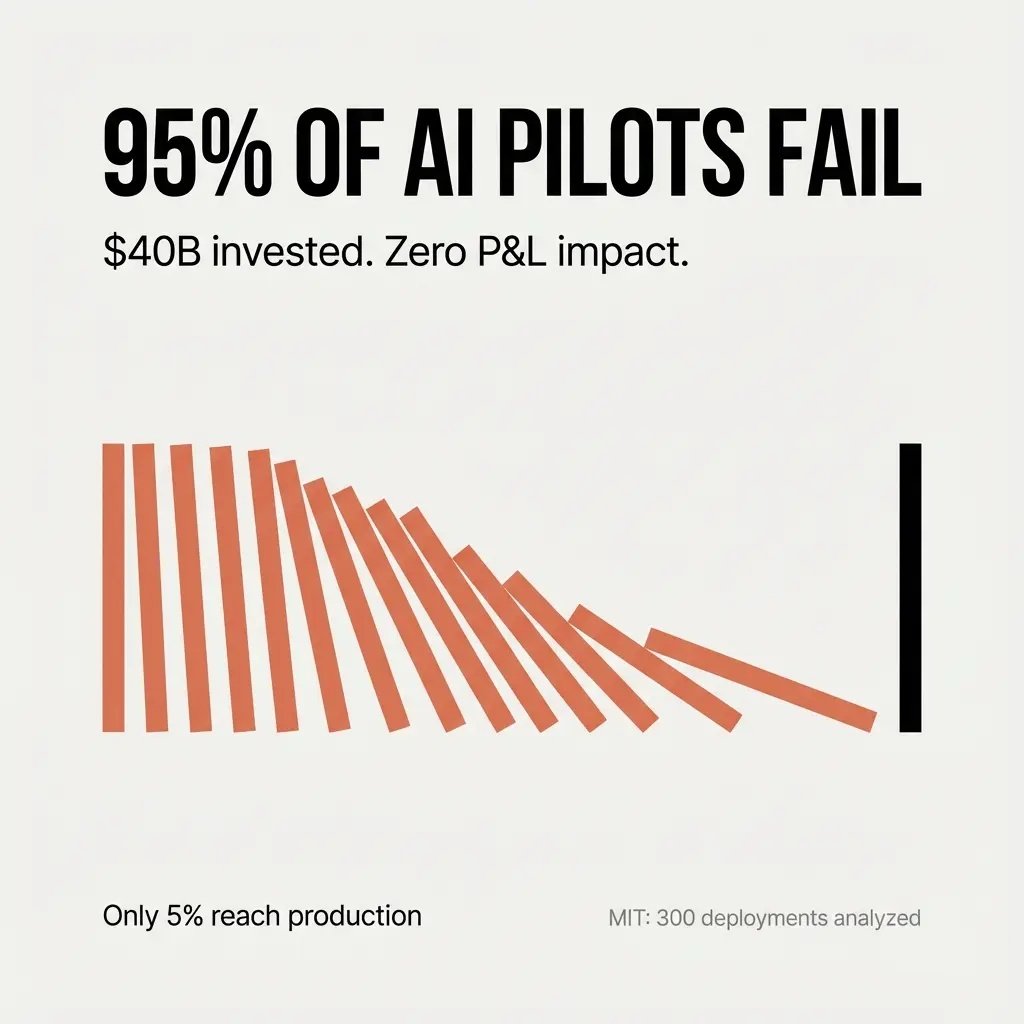

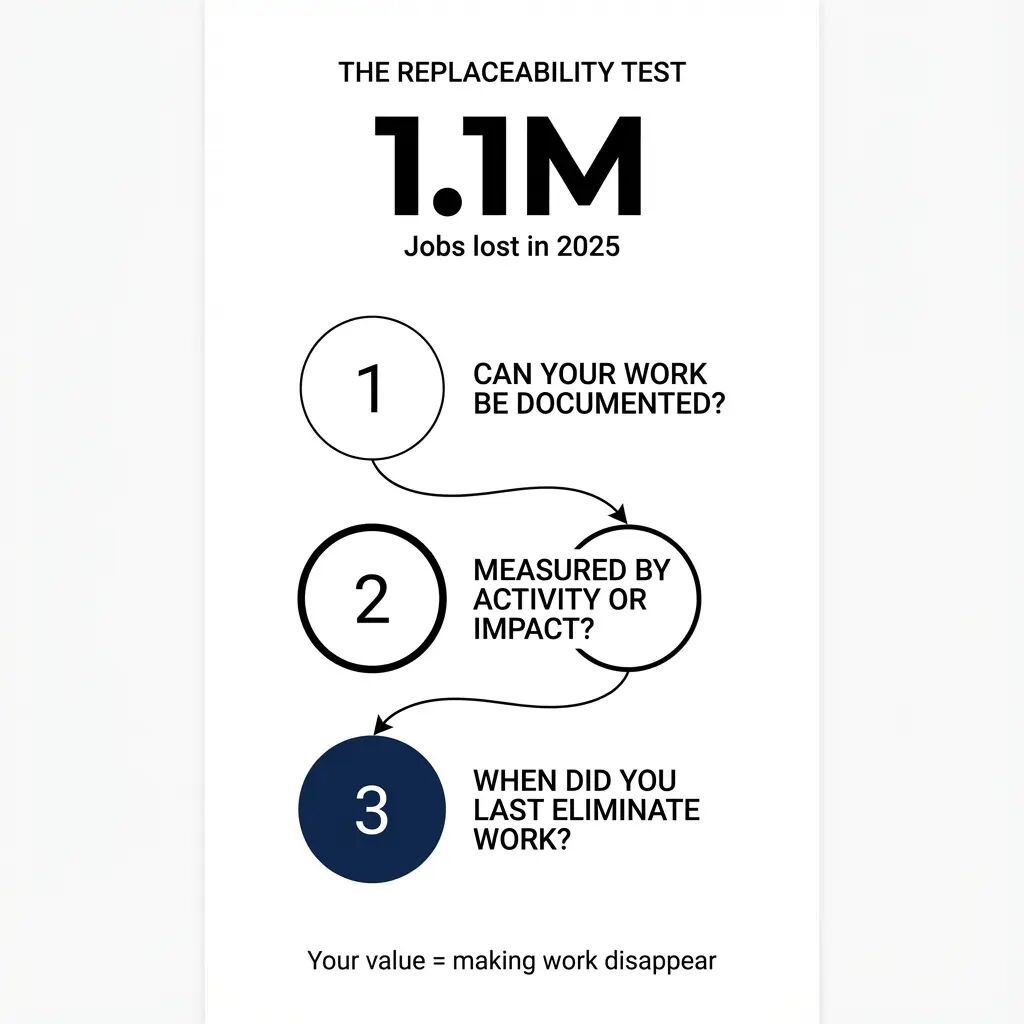
More than 1.1 million Americans lost their jobs in 2025. Tech workers got hit especially..
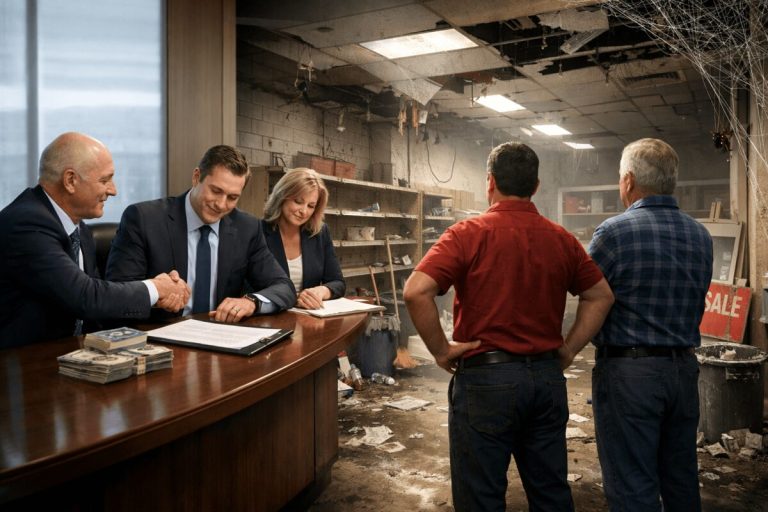

Everyone’s talking about AI displacing workers. The MIT Iceberg Index estimates AI could automate tasks..

U.S. employers have announced over 1.17 million job cuts in 2025. When companies need to..
We use cookies to improve your experience on our site. By using our site, you consent to cookies.
Manage your cookie preferences below:
Essential cookies enable basic functions and are necessary for the proper function of the website.
These cookies are needed for adding comments on this website.
Google reCAPTCHA helps protect websites from spam and abuse by verifying user interactions through challenges.
Statistics cookies collect information anonymously. This information helps us understand how visitors use our website.
Google Analytics is a powerful tool that tracks and analyzes website traffic for informed marketing decisions.
Service URL: policies.google.com (opens in a new window)
You can find more information in our Cookie Policy and .